
KARATS OR CARATS?.... CARROTS?
Jun 02 - 2022

It’s all in the alloy that you add to pure gold.
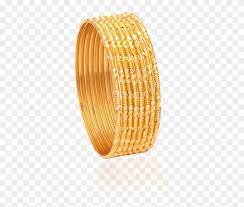
° Yellow Gold – Naturally gold is “yellowish” in color and stable under standard conditions, meaning that it won’t tarnish, rust or corrode. However, as mentioned above, it’s still alloyed with some base metals to give it sturdiness when constructing jewelry. The more “yellow” a piece of gold the more pure but the less durable it will be. Generally, most jewelry is produced using 22K, 18K or 14K gold.
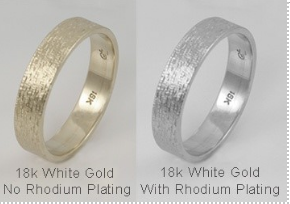
° White Gold – This is 24K (Pure) gold alloyed with “white” base metals such as silver, palladium, nickel and sometimes zinc. The quantity of alloy added, will determine the karat rating of white gold and therefore, its final color. White gold is more durable than yellow gold, though will still have a yellowish hue. In some cases a piece of jewelry will be coated in a platinum based metal, known as rhodium plating (see
below) to give the appearance of being completely “white”. It is best made in lower karat counts, mostly 14 and 18 K
Its only real disadvantage is its not hypoallergenic and some people may react to some of the alloys. Rhodium plating the piece, can assist with this problem.
° Rose Gold – Is 24K pure gold alloyed with (reddish Metals) copper. The quantity of copper added will determine the karat rating of rose gold and therefore its final color. Rose gold or Russian Gold as it was once called is the most durable of all, as copper is very sturdy. As with white gold, some people may have an allergic reaction to rose gold as copper is not hypoallergenic.
Jun 02 - 2022
Jun 02 - 2022
Jun 02 - 2022
Jun 02 - 2022